Grading plays a vital role in tracking student achievement and evaluating the effectiveness of teaching strategies. It offers valuable insights into what students understand and how they apply their learning. By selecting the right grading approach and maintaining consistency, teachers can enhance learning outcomes while making the process more manageable.
What Is a Grading System?

A grading system is a structured method for evaluating and communicating student performance. It is typically based on predefined criteria and learning standards, using letter grades, percentages, or rubrics to reflect levels of achievement. Grading systems vary between institutions but all serve the purpose of measuring learning outcomes and guiding instructional decisions.
Grades can motivate students and influence their academic engagement. When grading systems are clear, consistent, and aligned with learning goals, they help:
- Set performance expectations
- Guide student improvement
- Provide feedback for parents and teachers
- Promote accountability and goal setting
Students who understand grading criteria are often more motivated and perform better. On the other hand, unclear or inconsistent grading can lead to confusion and decreased effort.
How Do Teachers Grade?
Teachers evaluate student work based on content mastery, participation, effort, and growth. To ensure fair grading:
- Establish clear criteria from the start
- Use consistent rubrics
- Provide timely feedback
- Separate academic performance from behavior or attendance unless otherwise specified
Grading should reflect student understanding, not just task completion.
12 Time-Saving Grading Tips for Teachers

- Use a Grade Calculator or Spreadsheet
Tools like Excel or platforms like GradeBookWizard simplify tracking and analysis. - Consider Assignment Difficulty
Adjust expectations based on complexity to ensure fairness. - Involve Students
Use peer or self-assessment with rubrics to build accountability. - Track Incomplete Work
Maintain a list of missing assignments and follow up consistently. - Color-Code Tasks
Use labels for types of assessments: tests, quizzes, homework, etc. - Organize Graded Work
File assignments systematically for easy retrieval. - Regrade When Needed
Allow students to request a review and respond in writing. - Summarize Student Progress
Use rubrics, letter grades, or notes to convey overall performance. - Grade Strategically
Focus on high-impact assignments rather than every task. - Return Work Promptly
Timely feedback improves learning and supports preparation. - Provide Constructive Comments
Offer actionable insights tied to the task. - Set a Weekly Grading Schedule
Allocate specific time for grading and stick to it.
Finding the Optimal Time to Grade
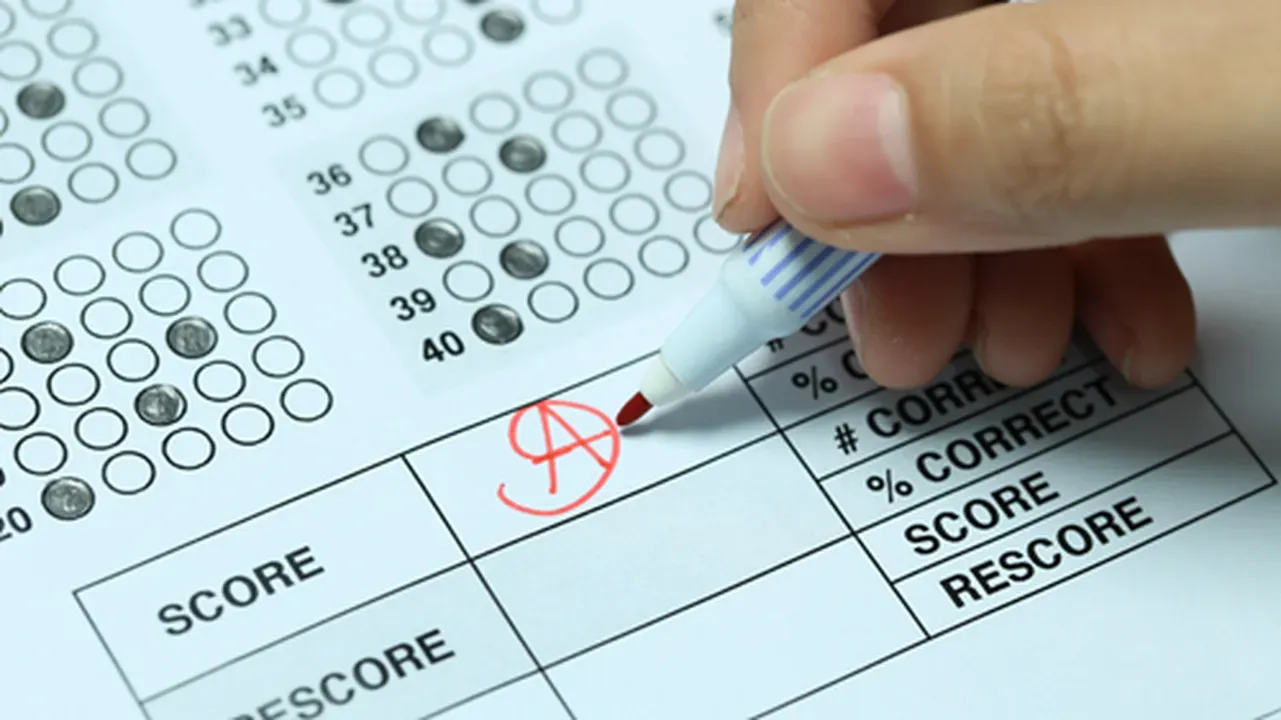
Grading efficiency depends on energy levels and workload. Consider:
- Morning for focus and detail-oriented tasks
- Afternoon for lighter grading or review
- Breaks to refresh and improve concentration
Use uninterrupted blocks of time and set small goals to stay productive.
What to Do Before You Begin Grading
Before grading:
- Clarify the Criteria
Ensure expectations are clear to students ahead of time. - Minimize Bias
Use blind grading where possible (e.g., anonymous submissions). - Be Consistent
Apply the same standard across all student work. - Provide Timely Feedback
Feedback is most useful when delivered close to the time of assessment.
A thoughtful grading approach builds trust and supports deeper learning.
Efficient and Objective Grading Techniques

- Use Rubrics
Rubrics clarify expectations and support consistent grading. - Automated Tools
Platforms like Google Classroom or Turnitin streamline marking and feedback. - Peer Reviews
Encourage students to assess each other's work for engagement and perspective. - Benchmarking
Compare student work samples to a standard to evaluate consistency.

Constructive feedback can motivate and guide students. Tips for effective comments:
- Be specific and relevant to the learning goal
- Focus on improvement, not just errors
- Highlight strengths as well as areas for growth
- Avoid generic praise—make feedback personal and actionable
A supportive tone encourages confidence and fosters growth.
Grade One Task at a Time
Grading is more manageable when approached methodically:
- Focus on one assignment or class set at a time
- Avoid multitasking between unrelated tasks
- Prioritize based on impact or due dates
Breaking grading into smaller steps improves accuracy and reduces overwhelm.
Conclusion
Grading is more than assigning marks—it's a powerful tool for enhancing learning, providing feedback, and guiding instruction. When done effectively:
- Students gain clarity on their progress
- Teachers can adjust instruction to meet needs
- Parents remain informed of academic development
Implementing consistent grading practices and time-saving strategies ensures a more productive, transparent, and equitable classroom. Through professional development and the right tools, educators can refine their approach and become champions of student success.